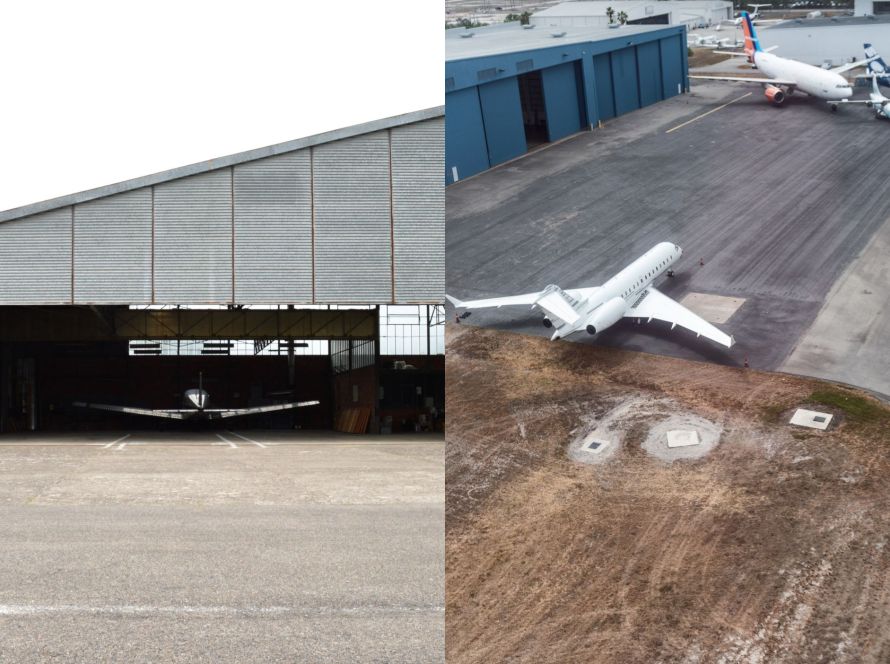
Ever wondered what happens to an aircraft when it’s not soaring through the skies? Whether it’s parked between flights or stored for extended periods, aircraft require continuous care and attention on the ground. Understanding these procedures reveals why professional ground handling and storage services are essential for maintaining aircraft safety, performance, and value.
Immediate Post-Flight Procedures
Securing the Aircraft
The moment an aircraft lands and taxis to its parking position, a series of critical procedures begins. Ground crews secure the aircraft with wheel chocks, connect ground power if available, and ensure all external systems are properly shut down. This initial securing phase is crucial for preventing any accidental movement or system activation.
Post-Flight Inspection
Pilots and ground crew conduct thorough post-flight inspections, checking for any visible damage, fluid leaks, or anomalies that occurred during the flight. This walk-around inspection examines the fuselage, wings, landing gear, engines, and control surfaces. Any issues discovered are documented and addressed before the aircraft’s next flight.
Short-Term Aircraft Storage (Hours to Days)
Protecting Critical Systems
Even during brief ground stops, aircraft systems require attention. Avionics and sensitive electronics are protected from power surges, batteries are monitored to prevent discharge, and hydraulic systems are checked to ensure proper fluid levels. Fuel systems are inspected for contamination, especially in humid environments where condensation can occur.
Environmental Protection
Aircraft parked outdoors face exposure to sun, dust, wind, and temperature fluctuations. Ground crews may install protective covers on pitot tubes, engine inlets, and cockpit windows to prevent debris entry and UV damage. In extreme weather conditions, additional protective measures ensure the aircraft remains in optimal condition.
Security Measures
Security is paramount when aircraft are on the ground. Access is strictly controlled, surveillance systems monitor the aircraft continuously, and security personnel conduct regular patrols. These measures protect against unauthorized access, tampering, or theft of valuable components and equipment.
Long-Term Aircraft Storage (Weeks to Months)
Comprehensive Preservation
Aircraft stored for extended periods require extensive preservation procedures. This includes:
Engine Preservation: Engines are treated with special preservative oils and sealed to prevent internal corrosion. Inlets and exhausts are covered to keep out moisture, dust, and wildlife.
Fuel System Care: Fuel tanks may be drained or topped off depending on storage duration. Full tanks prevent condensation buildup, while drained systems avoid fuel degradation issues.
Hydraulic and Pneumatic Systems: These systems are serviced and protected to prevent seal deterioration and fluid contamination during dormancy.
Tire and Landing Gear Maintenance: Landing gear is regularly inspected, tires are kept properly inflated, and aircraft may be periodically moved to prevent flat spots on tires.
Climate-Controlled Hangar Storage
The ideal environment for aircraft storage is a climate-controlled hangar. These facilities maintain optimal temperature and humidity levels, preventing:
- Corrosion: Moisture control stops metal corrosion and electronic component degradation
- Seal Deterioration: Stable temperatures preserve rubber seals and gaskets
- Paint Damage: Protection from UV rays maintains exterior finish quality
- Wildlife Intrusion: Enclosed spaces prevent birds and insects from nesting in aircraft cavities
Regular Maintenance Activities
Scheduled Inspections
Aircraft don’t escape maintenance requirements just because they’re not flying. Maintenance schedules are often based on calendar time as well as flight hours. Regular inspections during storage periods include:
- Checking for corrosion and structural integrity
- Testing emergency systems and safety equipment
- Inspecting interior components and upholstery
- Verifying expiration dates on time-limited components
Preventive Run-Ups
For aircraft in extended storage, engines and systems are periodically operated to prevent deterioration. These run-ups circulate fluids through systems, recharge batteries, exercise control surfaces, and identify any developing issues before they become serious problems.
Documentation and Record-Keeping
Every inspection, maintenance action, and operational check is meticulously documented. These records are essential for regulatory compliance, insurance requirements, and maintaining aircraft value. Professional storage facilities maintain comprehensive logs of all activities performed on stored aircraft.
The Return to Service Process
Pre-Flight Preparation
Before an aircraft returns to service after storage, extensive preparations ensure airworthiness:
System Checks: All aircraft systems are tested and verified operational Fluid Services: Engine oil, hydraulic fluid, and other consumables are checked and replenished Functional Tests: Control surfaces, landing gear, and avionics undergo functional testing Regulatory Compliance: All required inspections and documentation are verified current
Test Flights
Following extended storage, aircraft typically undergo test flights before returning to regular operations. These flights verify all systems perform correctly and identify any issues requiring attention.
Why Professional Storage Matters
Protecting Your Investment
Aircraft represent significant financial investments. Professional storage and care protect this investment by:
- Preventing costly damage from environmental exposure
- Maintaining optimal aircraft condition and performance
- Preserving resale value through proper care and documentation
- Ensuring regulatory compliance and airworthiness
Safety Assurance
Proper ground care directly impacts flight safety. Professional facilities ensure aircraft remain airworthy through consistent maintenance, proper storage conditions, and expert handling by trained personnel who understand aviation requirements.
Peace of Mind
Knowing your aircraft receives expert care while grounded provides invaluable peace of mind. Professional storage facilities offer security, climate control, regular inspections, and immediate response to any developing issues.
Common Storage Challenges and Solutions
Challenge: Environmental Damage
Solution: Climate-controlled hangar storage protects against temperature extremes, humidity, UV radiation, and weather events.
Challenge: System Deterioration
Solution: Regular run-ups and preventive maintenance keep systems operational and identify issues early.
Challenge: Security Concerns
Solution: Professional facilities provide 24/7 surveillance, controlled access, and trained security personnel.
Challenge: Regulatory Compliance
Solution: Expert staff maintain inspection schedules and documentation ensuring continuous airworthiness.
Choosing the Right Storage Facility
When selecting aircraft storage, consider these critical factors:
- Location: Proximity to your operations and accessibility when needed
- Facilities: Hangar quality, climate control, and security systems
- Experience: Staff expertise in aircraft handling and maintenance coordination
- Compliance: GCAA certification and adherence to aviation standards
- Services: Comprehensive support including maintenance coordination and operational assistance
Conclusion
Aircraft care doesn’t stop when engines shut down—in many ways, it intensifies. From immediate post-flight procedures to long-term preservation, professional ground handling and storage ensure aircraft remain safe, airworthy, and ready for their next flight. Whether your aircraft is grounded for hours or months, proper care protects your investment and ensures operational readiness when you need it.
At Dolphin Air, we understand the critical importance of aircraft care during ground time. Our secure, climate-controlled hangar facilities at Sharjah International Airport provide the professional storage environment your aircraft deserves. With over 50 years of aviation experience, GCAA-compliant operations, and personalized attention to every aircraft, we ensure your valuable asset receives expert care whenever it’s not flying.