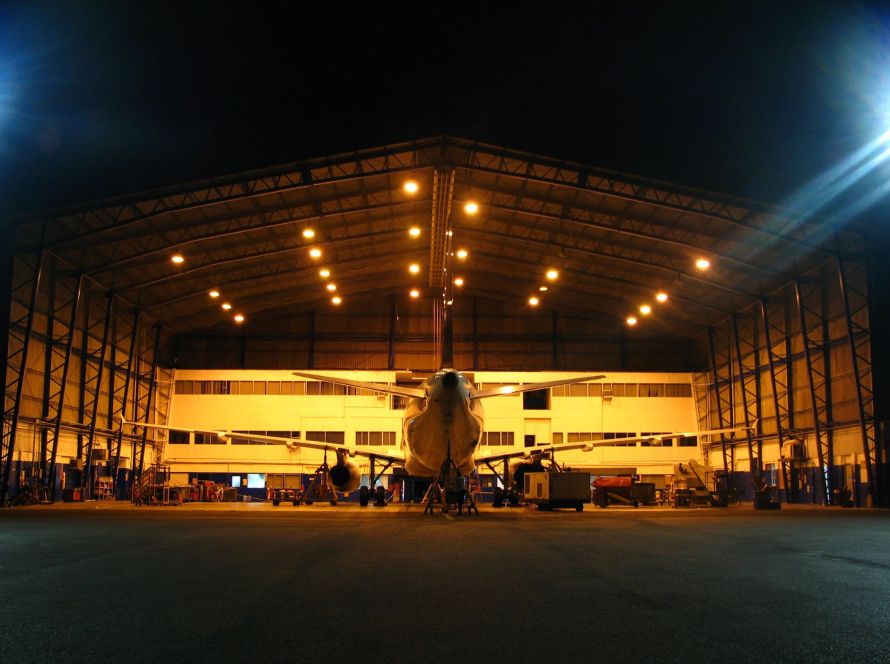
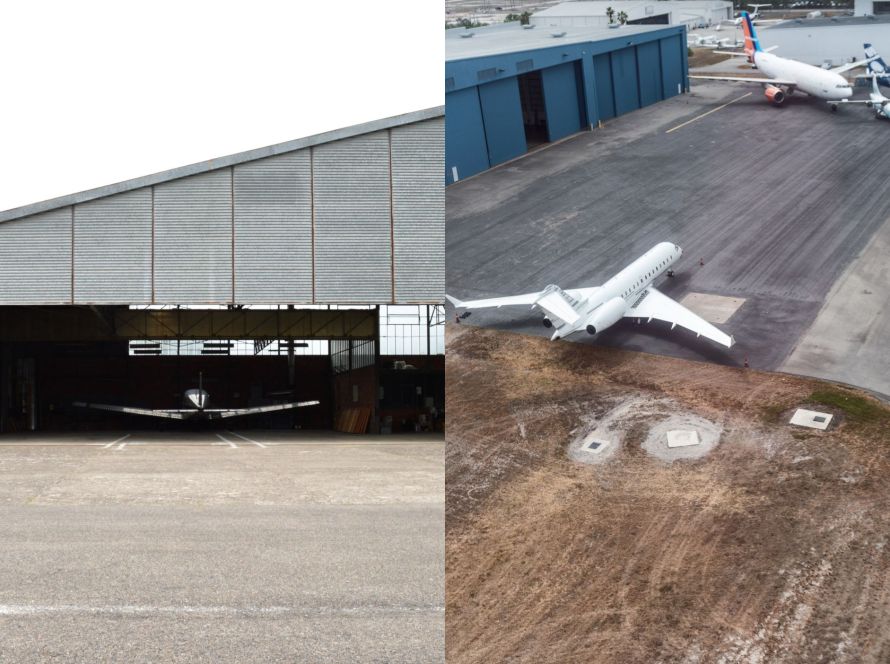
When we think about aviation safety, our minds naturally go to pilots, air traffic control, and in-flight operations. However, one of the most critical—yet often overlooked—aspects of aircraft safety happens on the ground. Professional ground handling services play a vital role in ensuring every flight operates safely and efficiently.
What Is Ground Handling?
Ground handling encompasses all services provided to aircraft while on the ground, including marshalling, towing, refueling coordination, pre-flight inspections, and aircraft positioning. These operations form the foundation of safe flight operations, yet they often receive little attention until something goes wrong.
The Direct Safety Impact
Preventing Physical Damage
Improper ground handling is a leading cause of aircraft damage. Incorrect towing procedures can damage landing gear, while careless marshalling may result in wing tip strikes or collisions with ground equipment. Professional handlers use proper techniques and equipment to prevent these costly incidents.
Pre-Flight Safety Checks
Ground crews conduct critical visual inspections that identify potential safety issues before takeoff. They check for fluid leaks, tire condition, structural damage, and foreign object debris (FOD) that could compromise flight safety. These inspections often catch problems that might otherwise go unnoticed until they become serious airborne emergencies.
Fuel Quality Assurance
Ground handling teams coordinate refueling operations, ensuring correct fuel quantities and quality. Contaminated fuel or incorrect fuel loads can have catastrophic consequences. Professional handlers verify fuel specifications, monitor fueling procedures, and maintain detailed records for safety and regulatory compliance.
Performance Optimization
Proper Aircraft Weight Distribution
Ground crews ensure correct loading and weight distribution, which directly affects aircraft performance. Improper weight balance can impact fuel efficiency, handling characteristics, and even flight safety. Professional handlers understand these critical factors and coordinate to ensure optimal aircraft configuration.
Minimizing Turnaround Time
Efficient ground handling reduces aircraft turnaround time without compromising safety. Professional teams coordinate multiple services simultaneously—refueling, inspections, cleaning, and positioning—ensuring aircraft return to service quickly while maintaining all safety protocols.
Equipment Maintenance Impact
Well-maintained ground support equipment prevents damage to aircraft systems. Faulty tow bars, contaminated fuel trucks, or damaged loading equipment can harm aircraft, affecting both safety and performance. Professional facilities invest in quality equipment and regular maintenance.
The Human Factor in Ground Handling
Training and Expertise Matter
Experienced ground handlers recognize potential issues that untrained personnel might miss. They understand aircraft-specific requirements, proper handling procedures, and safety protocols. This expertise prevents accidents and ensures aircraft receive appropriate care.
Communication and Coordination
Effective ground handling requires clear communication between pilots, ground crews, air traffic control, and service providers. Professional teams maintain constant communication, ensuring everyone understands procedures and potential hazards, reducing the risk of miscommunication-related incidents.
Real-World Consequences of Poor Ground Handling
Costly Incidents
Aircraft damage from ground handling errors costs the aviation industry millions annually. Wing tip strikes, towing damage, FOD ingestion, and refueling errors result in expensive repairs, flight delays, and potential safety hazards.
Operational Disruptions
Ground handling mistakes cause flight delays, cancellations, and schedule disruptions. These issues cascade through the aviation system, affecting passengers, cargo operations, and airline profitability.
Safety Risks
In worst-case scenarios, ground handling errors can contribute to serious safety incidents. Missed inspections, improper servicing, or damage that goes undetected can compromise flight safety.
Why Professional Ground Handling Is Essential
Regulatory Compliance
Professional ground handling operations adhere to GCAA regulations and international aviation standards. Compliance ensures consistent safety practices and accountability throughout ground operations.
Quality Assurance Systems
Established ground handlers implement quality management systems that track procedures, identify improvement areas, and ensure consistent service delivery. These systems maintain high safety and performance standards.
Insurance and Liability Protection
Professional ground handling services carry appropriate insurance and follow industry best practices, protecting aircraft owners from liability related to ground operations.
Conclusion
Ground handling is far more than simple aircraft parking—it’s a critical component of aviation safety and performance. Professional ground services prevent damage, identify potential issues, optimize operations, and ensure regulatory compliance. In an industry where safety is paramount, investing in quality ground handling isn’t optional—it’s essential.
At Dolphin Air, we understand that every ground operation impacts your aircraft’s safety and performance. Our experienced team delivers professional ground handling services that protect your investment while ensuring operational excellence. With GCAA-compliant operations and over 50 years of aviation expertise, we provide the reliable ground support your aircraft deserves.